

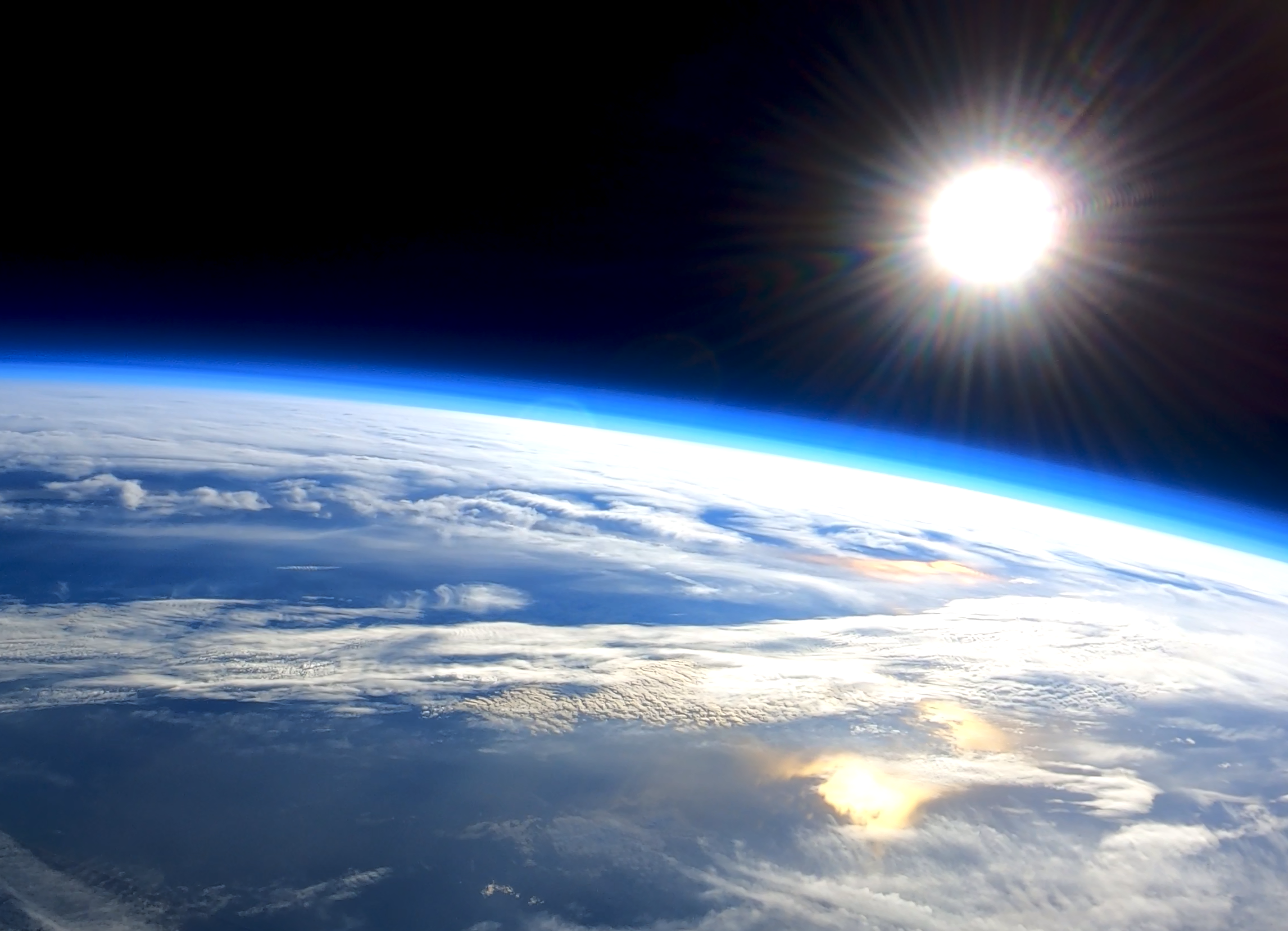
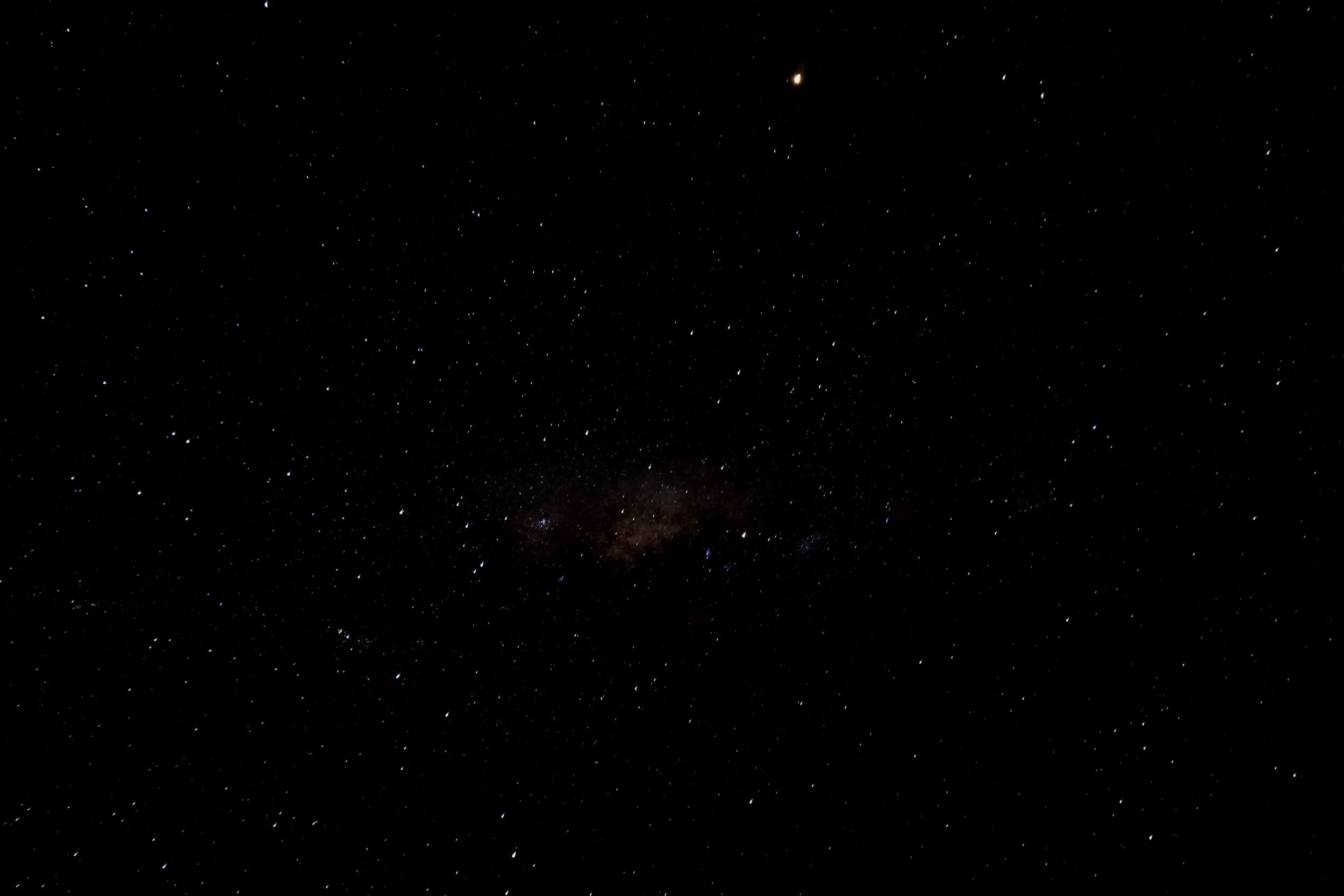
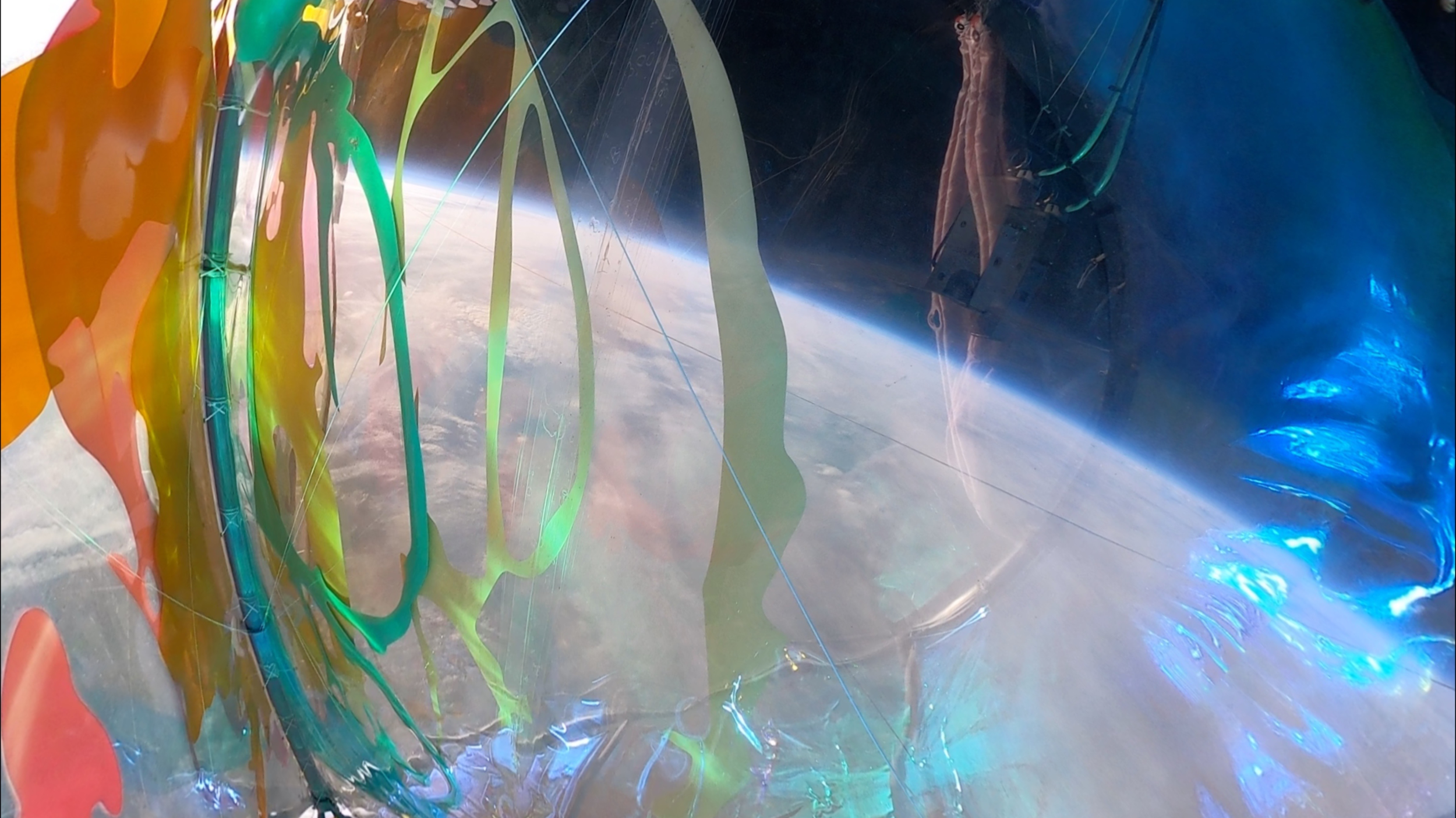
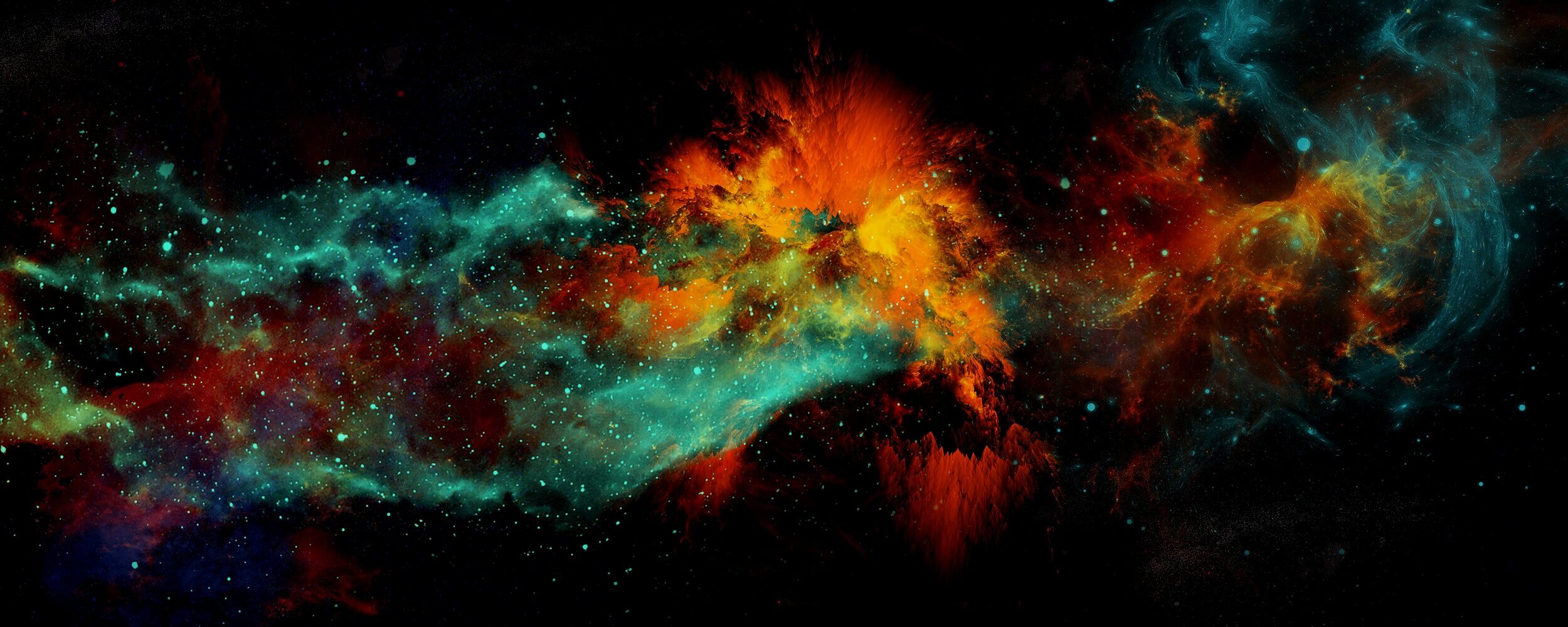
Image taken by Space Perspective’s test flight vehicle, Neptune One, at 100,000 feet.
HISTORIC LAUNCH OF FIRST TEST FLIGHT
Our Neptune One test vehicle successfully launched from the Space Coast Spaceport, adjacent to NASA’s Kennedy Space Center, on June 18 2021, the first in our robust test flight program for Spaceship Neptune. Space Perspective is the first space launch operator to fly from the Space Coast Air and Spaceport.
The un-crewed Neptune One flew its planned flight, similar to the one our Space Explorers will fly. It reached over 100,000 feet, traversed the Florida peninsula and splashed down in the Gulf of Mexico where it was met and brought ashore.
![DSC00123[1].JPG](https://images.squarespace-cdn.com/content/v1/608c562572a3784d8da4b74e/b3a76417-fe54-4baf-a8d4-40d4411710aa/DSC00123%5B1%5D.JPG)
INTRODUCING A NEW ERA IN SPACE TRAVEL
Neptune One comprised of the spaceballoon, reserve descent system, and full-size capsule simulator. All primary objectives of the test flight were met, including the completion of a full flight demonstration, from prelaunch to recovery.
The test flight of Neptune One kicks off our extensive test flight campaign, which will be extensive because we can perform tests without a pilot, making Spaceship Neptune an extremely safe way to go to space.
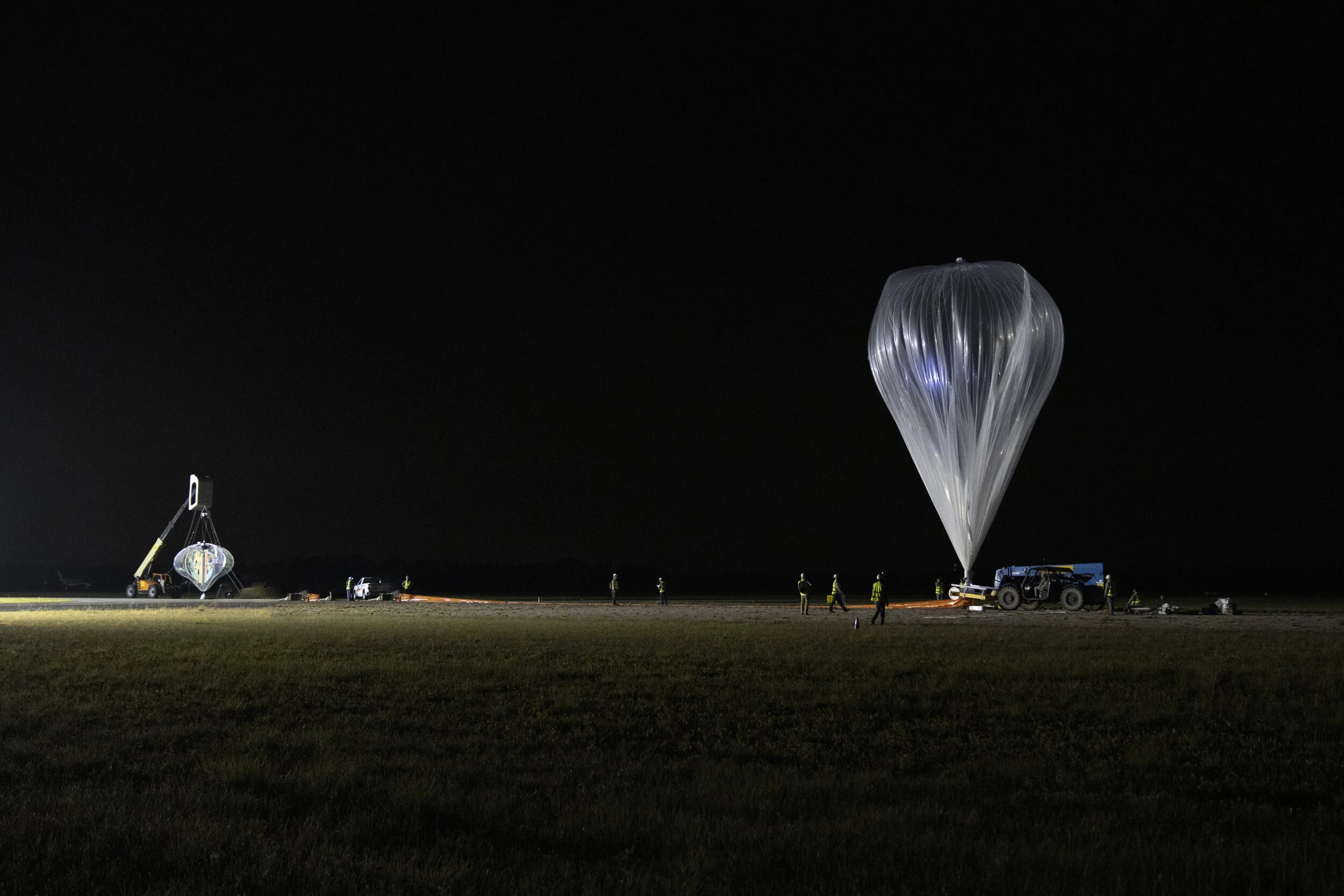
Neptune One SpaceBalloon at lift
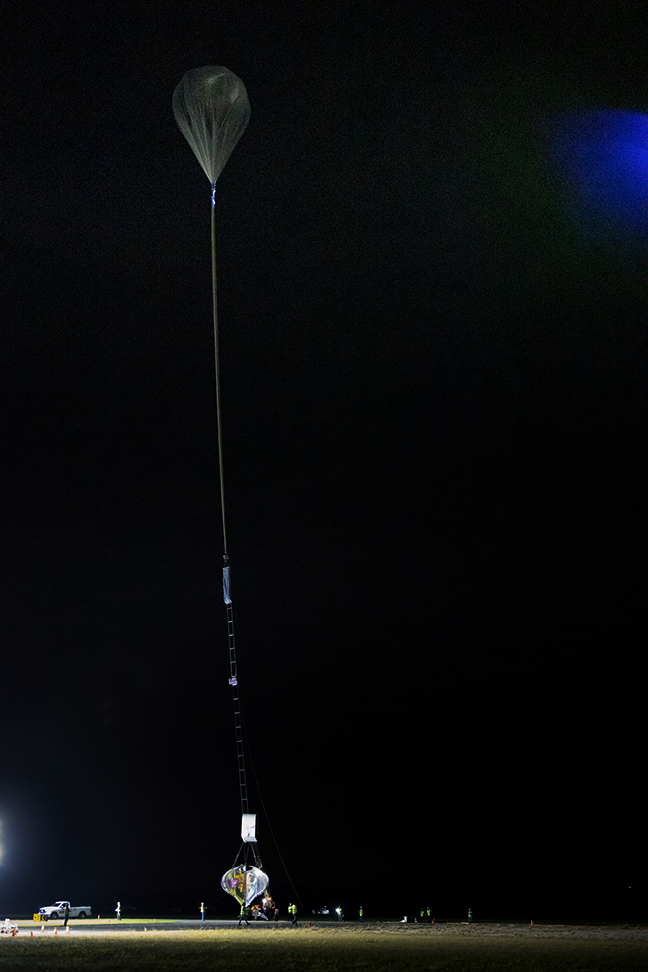
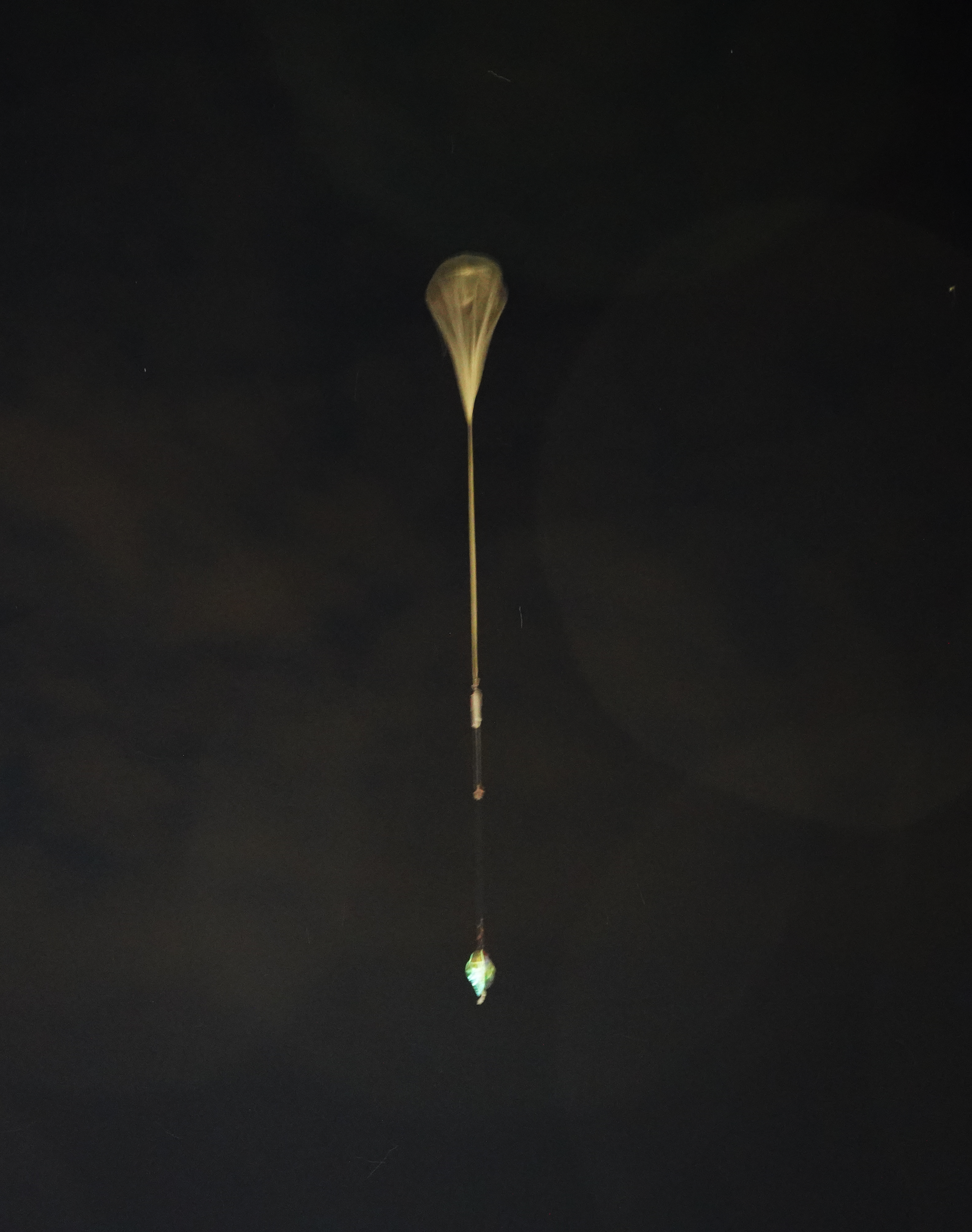
The lift gas at the top of the SpaceBalloon expands 100 times to fill the entire SpaceBalloon once it reaches 100,000 feet.
WORLD’S LARGEST ART INSTALLATION TRAVELS TO SPACE
Neptune One flew the world's largest art installation to travel to space, “Living Light”. Designed by the art collaborative Beyond Earth, the installation represented a shared mission to amplify the essential biodiversity and interdependency of all living organisms — specifically hidden ocean life — rarely included in the story of life on planet Earth.
TEST FLIGHT PAYLOADS
Beyond Earth, an art collective, flew a DNA capsule, composed of three art pieces by each of the artists in the collective. In a message “To Space, from Earth,” each work was converted to DNA and stored inside a metal vial containing an artistic message to space. Upon return to Earth, the art will be restored to its original form, providing information on the effects of space’s radiation on art.
Higher Orbits, an educational nonprofit that uses space to promote STEAM by partnering with astronauts and students, flew the winning projects of their recent science and art project competitions for students. One experiment measured the sun’s magnetic field to confirm solar minimum, the time when the sun is least active. A second measured the effects of the space environment on memory materials that are made to hold a particular shape.
University of Northern Florida flew an ozone instrument to test their innovative atmospheric science technology. Ozone Sensors instrument was developed by Dr. Nirmal Patel and his students' team in Physics Department. This payload demonstrates to research organizations, NASA and other government entities that Spaceship Neptune is a valuable platform for research.
“I could not be more proud of the performance of the team and the flight system. It was spectacular to witness the teamwork and the high level of expertise yield such a successful result.”
Taber MacCullum, Co-CEO, Chief Technology Officer